Searching for the 'classics of the future' with Nancy Medina
25 Nov 2026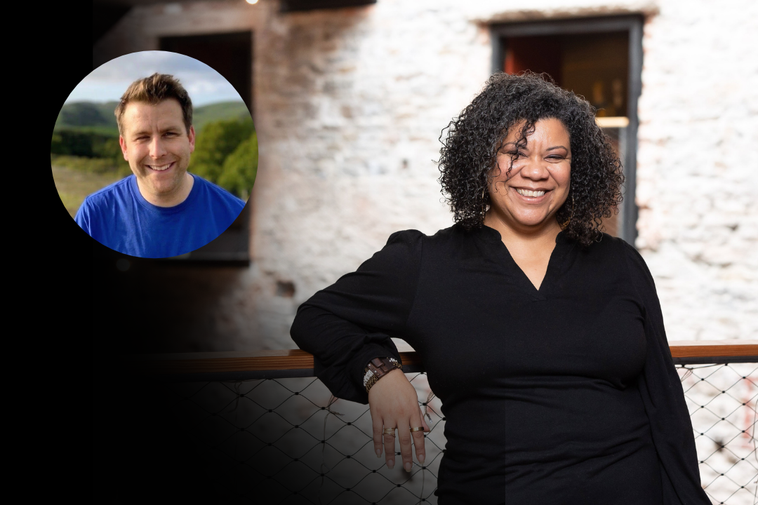
This article was originally published on The Intrigue by Sam McEvans and this extract is republished here with permission.
The dark autumnal night disappears behind me as I cross a cobbled street and enter the glow of the oldest theatre in the English-speaking world, the Bristol Old Vic.
This warm threshold has watched folks come and go for centuries. The historic walls have witnessed the origin stories of British acting royalty time and again, from Olivia Colman to Sir Patrick Stewart.
Tonight, I’m welcomed in from the cold with a smile by Nancy Medina, the Old Vic’s artistic director.
Three years into her tenure in this prestigious post, Nancy tells me that her central ambition is to diversify stories in theatre.
The challenge she has set herself, she explains, is to put value into new writing, stories and voices that can become the “classics of the future”.
I think that we are very reliant a lot of times in the theatre of bringing back the old titles over and over again, and some of them I absolutely understand why, because they’re just wonderful masterpieces. But I sometimes think we need to make space for the future masterpieces
Nancy Medina
Nancy’s aim to “tell the stories of who we are” takes centre stage in the flagship production of the season, Lanny, which she directed.
The dark and enchanting drama is an adaptation of the Booker prize nominated novel by Max Porter. It tells of a city family’s relocation to a Somerset village steeped in superstition where the locals’ increasingly overt racism and homophobia runs as rife as their haunting tales of a woodland boogeyman.
Since moving to the UK from America 18 years ago, Nancy has been spellbound by English and Welsh folklore.
“There is so much magic here in the South West and I just wanna see more of it on our stages.
“Why that feels sort of slightly hidden away in the rest of the country, I don’t know, but it feels so palpable here.
“It’s a huge ambition for us here at Bristol Old Vic to tell more West Country stories and to really platform that there is so much originality here,” she adds.
Nancy defines folklore as the stories that we tell about ourselves.
“I really think you understand so much about a people when you understand what still exists and what we keep going.
“It’s really important to remember that we’ve existed and that we’ve had a moment in time as humans with other humans, and to continue that.”
Nancy’s biggest inspiration today is new writers.
She says: “Writers to me are awe-inspiring human beings. It’s a real tender and vulnerable thing, and that inspires me as well — the bravery to do this thing for the first time together.”
Creating a 5 Year Commitment scheme at the Old Vic, Nancy has brought together four writers to invest in their careers and to help develop new British writing.
Now in its second year, Hannah Khalil, Sam Parker, Muneera Pilgrim, and Winsome Pinnock are all under commission.
Nancy teases that studio plays from Sam and Muneera will be announced soon.
At a recent week-long residential, Nancy says she “basked in their amazingness” as the writers shared skills, tools and read work aloud together.
Nancy set out to make the scheme an experiment in committing to the development “not of an idea, but of an artist”.
She explains: “That was really important to me, that it wasn’t gonna be like, ‘All right, let’s just choose these writers, and then we’ll tell them what to write.’ No.
“We’re choosing these artists because their voices are so strong. Now let’s support them and guide them to whatever they need to be talking about in this moment.
“You don’t know what you’re gonna get, but you trust that these writers are gonna deliver something amazing, and they already have.”
The interview continues…
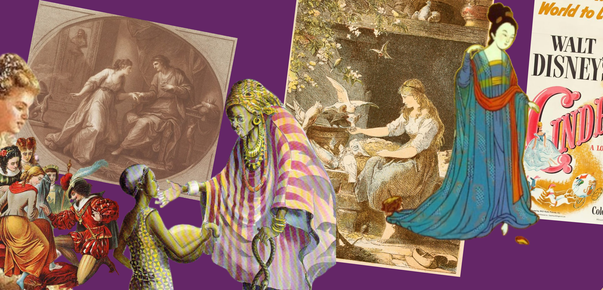
Read Nancy’s full interview with The Intrigue here, where she shares more about her lifelong love of storytelling and childhood steeped in Latin American traditions. She also discusses her vision for the Bristol Old Vic, reflects on her first three years as artistic director, and gives a glimpse into the theatre’s festive reimagining of Grimms’ Cinderella.