From Folklore to Fairytale: Why we still love cinderella
29 Oct 2026
Few stories have stood the test of time quite like Cinderella. Long before glass slippers and fairy godmothers, versions of the tale were being told around the world, from ancient Greece to China. While the details varied, the heart of the story remained the same: someone overlooked or mistreated finding the courage and resilience to change their fate.
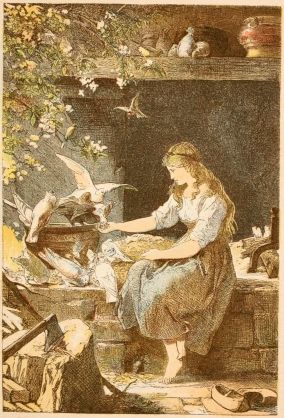
The version most familiar today emerged in 17th-century France, where the glass slipper and fairy godmother first appeared. Later retellings, including the Brothers Grimm's darker version, introduced woodland magic and enchanted birds, adding new layers to a tale that has continued to evolve for centuries.
Part of Cinderella's enduring appeal is its ability to be reimagined for new generations. Beneath the magic and spectacle lies a story about hope, transformation and finding your place in the world. Whether told in a book, a film or on stage, its themes continue to resonate with audiences of all ages.
This Christmas, the story returns to Bristol in Cinderella: A Fairytale at Bristol Old Vic. Originally devised by Sally Cookson, Adam Peck and the Original Company, the much-loved Bristol-born production comes home fifteen years after it first premiered.
Inspired by the Grimm tale, this inventive retelling follows Ella as she finds comfort among the birds and woods surrounding her home before an invitation to the Royal Ball changes everything. Blending live music, movement, puppetry and theatrical imagination, it's a fresh and enchanting take on a timeless classic.
After centuries of retellings, Cinderella continues to remind us that even in the most difficult moments, hope can help us find our way. This festive season, audiences can discover that magic for themselves. ✨
Cinderella through the Ages
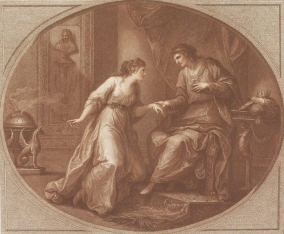
Versions of Cinderella have been told across the globe for centuries. One of the earliest known examples dates back to Ancient Greece. The story of servant girl Rhodopis tells how, while she was taking a bath, an eagle stole her sandal and dropped it in the lap of the king. The king was so struck by this that he ordered the woman whose sandal it was should be found and brought to him, and he married her. After her death, a pyramid was built for her tomb.
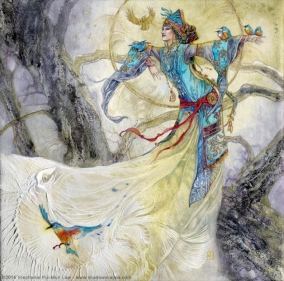
Centuries later, similar stories appeared in China, including the tale of Ye Xian, a young girl aided by magical forces after suffering at the hands of a cruel stepfamily.
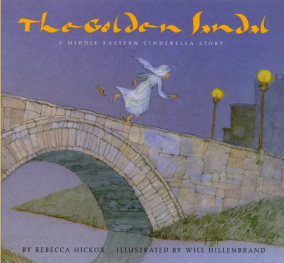
The Golden Sandal (Iraq / Middle East)
An early Middle Eastern Cinderella variant featuring a persecuted young woman, magical assistance and a lost shoe that leads to her identification and marriage. It demonstrates how Cinderella motifs spread across the region long before the European literary versions.
Mah Pishani (Persia / Iran)
A Persian folktale whose heroine faces jealousy and persecution before finding happiness. Like many Cinderella stories, it features supernatural help, transformation and the triumph of virtue over cruelty.
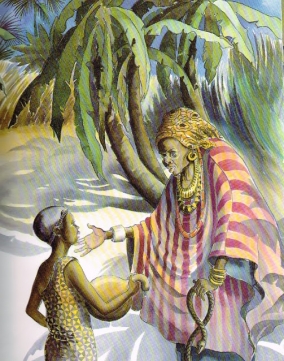
Chinye (Igbo, Nigeria)
A traditional Igbo folktale from eastern Nigeria, Chinye follows a kind young girl who suffers under a cruel stepmother and stepsister. Through supernatural assistance, and her own generosity, she is rewarded while greed is punished.
Chinye comes from the oral tradition of the Igbo people of Nigeria. While its exact age is unknown, the tale was passed down through generations before being retold by Obi Onyefulu in 1994.
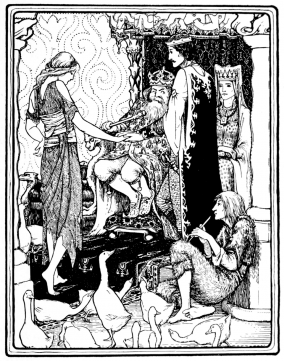
Tattercoats (England, medieval oral tradition; later recorded in the 19th century)
A distinctly British Cinderella tale about a neglected girl dressed in rags who attends a royal gathering and wins the admiration of a prince. Unlike later versions, she often succeeds through wit and confidence rather than magical transformation.
Cenerentola / La Gatta Cenerentola (Italy, 1634)
Written by Giambattista Basile, this is the first major literary Cinderella in Europe and predates Charles Perrault's French version by more than sixty years. Many elements familiar today begin to appear here.
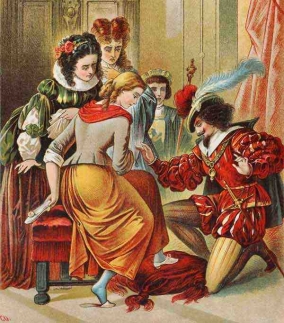
Cendrillon (France, 1697)
The most familiar version of Cinderella was written by Charles Perrault, a French author, and published in 1697 in his collection Histoires ou contes du temps passé (Stories or Tales of Times Past). Perrault's version introduced many of the elements people associate with Cinderella today, including the fairy godmother, the pumpkin coach, the glass slipper, and the stroke of midnight.
However, another hugely influential version came from the Brothers Grimm, who published Aschenputtel in their collection Children's and Household Tales in 1812. Their story is darker and more rooted in folklore, featuring magical birds instead of a fairy godmother and a less forgiving ending for the stepsisters.