"something ancient and unsettling is always just beneath the surface." | Talking 'Lanny' with designer Rebecca Jane Wood
2 Oct 2026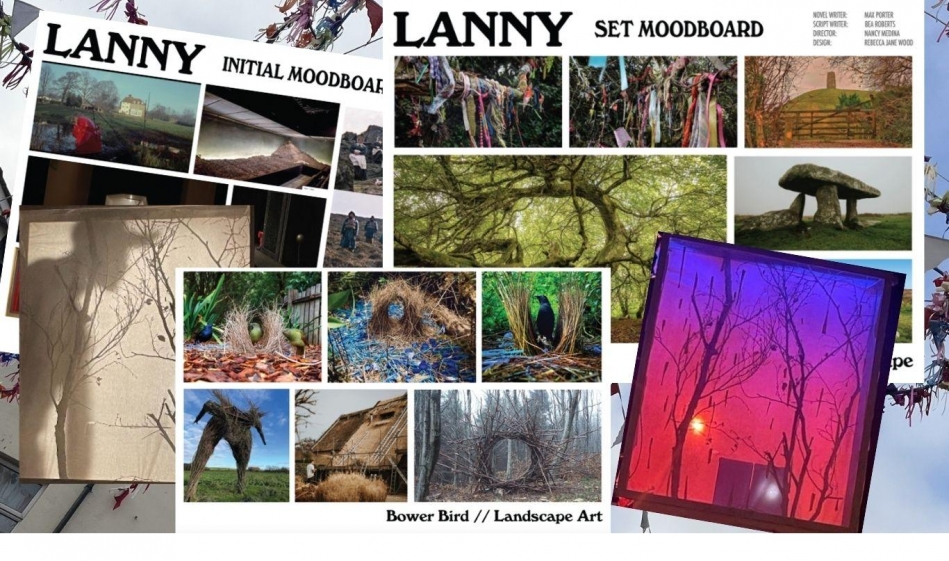
British Folklore and Designing Lanny
Designing Lanny began with the folklore beneath everyday life.
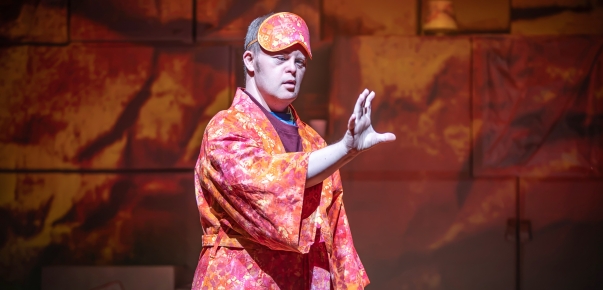
Dead Papa Toothwort embodies our fictional village’s folklore, revealing how tradition binds a community under pressure.
Growing up in West Cornwall, I saw Pagan festivals unite towns through parades, dances and homemade costumes – a mix of the everyday, timeless and holy.
Joyful yet dangerous, these rituals preserve community identity in a changing world.
That feeling drives Lanny.
The play follows a village transformed by a new child’s arrival and disappearance. Bea Roberts vividly captures its characters in her adaptation of Max Porter’s book; my challenge is to reveal them through costume while the stage carries the audience through time and space.
Folk, carnival and magic
As Nancy and I explored how to stage the production, we became increasingly invested in folk carnival, magic and the theatrical traditions that might shape the telling of Lanny.
We wanted to understand what happens when a community comes together through ritual – and how that same collective energy can become something more frightening.
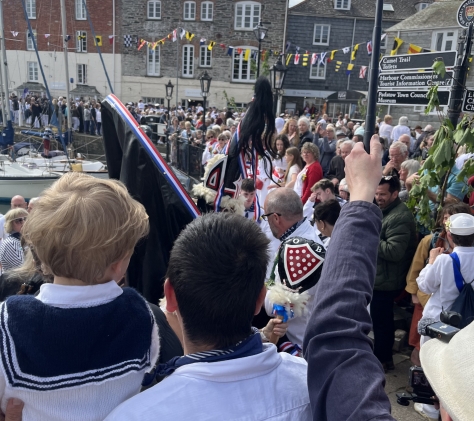
So we went to Padstow for May Day, a festival with around two centuries of history. We arrived the night before and stood amongst the locals as they sang “Summer is y-comen today” outside the pubs.
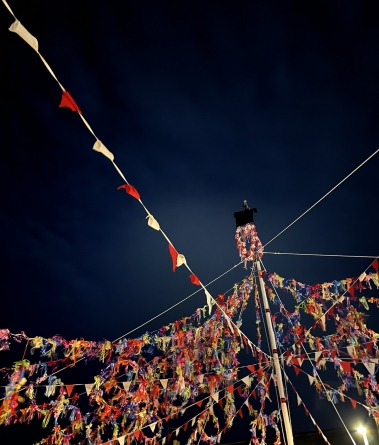
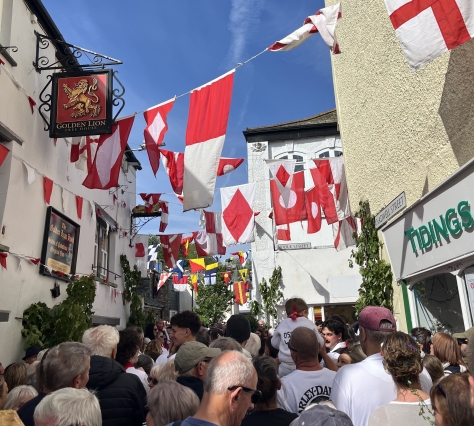
We walked beneath canopies of blue and red flags and around the central maypole, covered in ribbon bunting. It was evocative of the pagan wishing trees I have encountered elsewhere: colourful, celebratory and slightly mysterious.
Being there gave us a glimpse of the kind of collective energy we wanted to find within Lanny. There is something incredibly powerful about a whole town participating in a ritual that has been repeated across generations.
And that matters because Lanny is ultimately about a community united.
But we revisit that unity in the most horrific circumstances: in the search for Lanny. The villagers become united by their own best and worst traits, their individual fears and desires becoming part of a collective response to a parent's greatest nightmare.
The horror of Lanny comes, for me, from the depth and breadth of that communal experience. It isn't simply about an individual being afraid. It is about what happens when an entire community is afraid together.
Building a Westcountry village
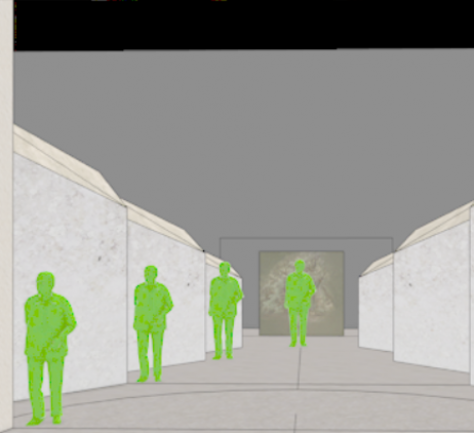
The design therefore needs to hold all of these contradictions. We have been interested in the familiar and the strange, the everyday and the ritualistic, the contemporary and the ancient.
I want the audience to recognise the world of the village, while also feeling that something older is lurking underneath it.
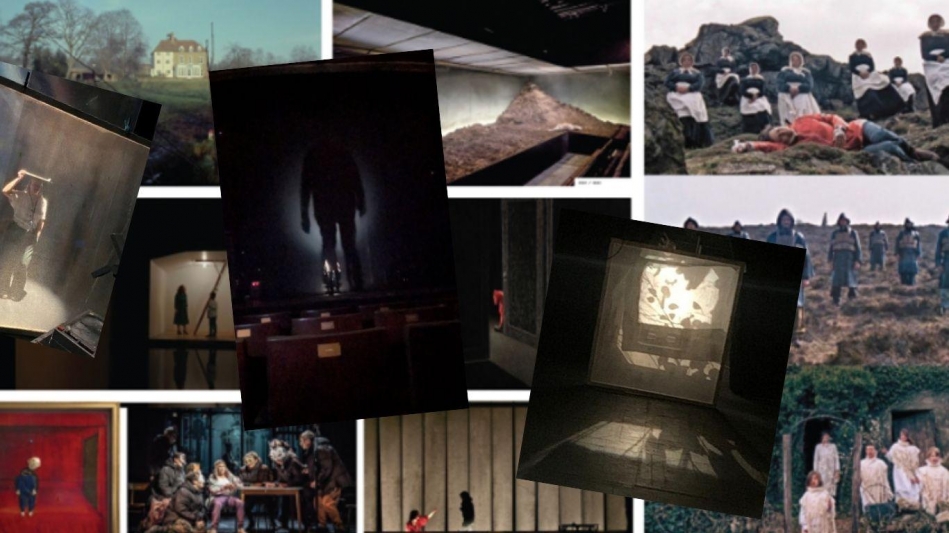
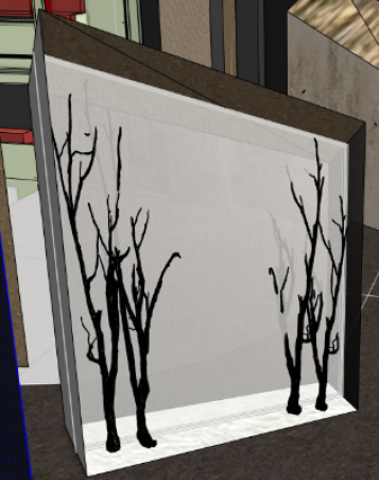
That has meant looking closely at the physical materials and landscapes of the Westcountry. Over the past few months, we have gone on wood walks, visited art exhibitions and read widely. Finding Albion by Zakia Sewell has been particularly interesting to me, opening up further ideas around landscape, folklore, memory and the stories we attach to places.
All of these influences have fed into the visual language of Lanny. Rather than creating a world that feels like a literal reconstruction of a Westcountry village, we have been looking for something more instinctive – a landscape that can shift, transform and become theatrical.
Bristol Old Vic itself is a huge part of that. We are trying to use as much of the space as we can, allowing the architecture of the theatre to become part of the storytelling. The stage needs to be capable of holding the intimacy of a family story while also expanding to contain the energy of a whole village.
The ancient inside the everyday
Perhaps the most exciting thing about working on Lanny has been discovering how close folklore can feel to the present day.
The festivals I grew up with can initially seem like tourist attractions from another time: maypoles, processions, masks, costumes, songs and rituals. But when you stand amongst thousands of people taking part, they don't feel like pagents to be observed. They feel like a celebration of life and community.
That is what I hope we can bring into Lanny: the sense that underneath our modern lives are older instincts about community, our landscape, fear and ritual.
Dead Papa Toothwort may be a fictional figure, but the idea of a village creating and sustaining its own folklore feels very real to me. Communities make stories about themselves. They create rituals and characters and shared memories. They use them to understand where they come from and who they are.
And sometimes, when something terrible happens, those stories become even more powerful. A way to understand and a way to heal.
For me, designing Lanny is about finding that place where folklore, theatre and reality collide – where a homemade costume can become something sacred, where a festival can contain both joy and menace, and where an entire community can transform before our eyes.
That is the world we are building at Bristol Old Vic: a Westcountry village that feels recognisable, but where something ancient and unsettling is always just beneath the surface.