A History of An Ideal Husband
4 Jun 2026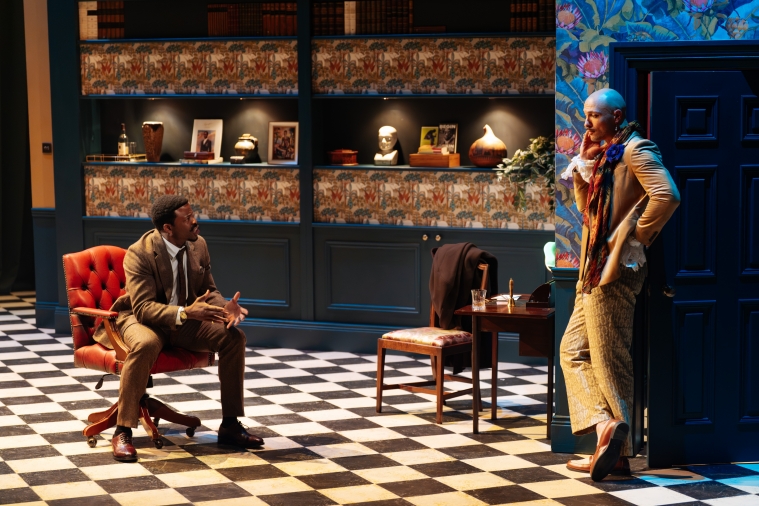
An Ideal Husband was first performed at the Haymarket Theatre, London in 1895, during a period of major social, political, and cultural change in Britain known as the Victorian era. Understanding this context helps explain the play’s focus on reputation, morality, and the hidden flaws beneath seemingly perfect lives.
Late Victorian society placed a huge emphasis on respectability. Public image mattered enormously, especially for those in positions of power such as politicians and members of the upper class. Figures like Sir Robert Chiltern represent the ideal Victorian gentleman—successful, moral, and admired. However, Wilde exposes how this “ideal” was often built on secrets, compromise, or even corruption. Scandals involving politicians were not uncommon, and the fear of public disgrace was very real.
The play also reflects the strict gender roles of the time. Women were expected to be morally pure and supportive of their husbands. Characters such as Lady Chiltern embody these expectations, believing in absolute moral perfection. In contrast, Wilde presents more unconventional figures like Mrs Cheveley, who challenge traditional female roles by being independent, manipulative, and politically aware.
Politically, the late 19th century was a time of expanding democracy and increasing scrutiny of those in power. Issues such as financial speculation, empire, and political reform created opportunities for both success and corruption. Wilde uses the plot of blackmail and political secrets to highlight how ambition and morality often came into conflict.
Overall, the historical context of An Ideal Husband reveals a society obsessed with appearances but riddled with hidden truths—something Wilde cleverly exposes through drama, humour, and satire.