5 mins with Jonny Woo | "We all need to celebrate our differences as well as our similarities"
3 Jul 2026We've been very luck to have the fantastic Jonny Woo in The Weston Studio this week.
We couldn't miss the opportunity to sit down for five minutes with him and find out what inspired Suburbia and what his perspective of 90s club and drag culture can share with audiences today.
Hi Jonny! Thanks for taking the time to chat with us today. We'd love to know, why did you decide to make Suburbia?
I made it first of all because I needed to make work. (Is it ok to just say that?)
As artists we hit spots where we need to make money and make new work, because it's our living. More the question might be, how did the idea of the show come about?
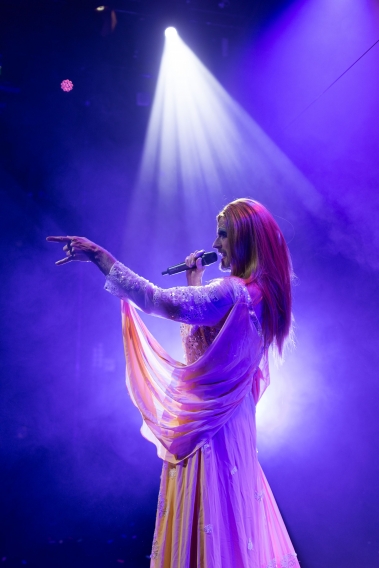
Two things: I'd inherited a lot of dresses from a mysterious cross-dresser whose taste was very suburban, and I'd been doing some biography writing about my life in the suburbs, so I kind of had the beginning of the text which I shaped into poetry and spoken word.
Also as a gay man, turning 50 I felt like my story of growing up with the 90's club and drug culture, but also being the gay generation who lived with the fear of AIDS but not the loss of life, was a very particular time and I wanted to tell that story.
Note, I'm talking about my life as a gay man, and I'm not trying to speak for all queer people. There is content in the show which I think the wider queer community can find identity with but equally a lot of my content resonates with straight people who like to remember the 90's. The narrative goes into early 00's too, but more my life in NYC and specifically drag and sex clubs.
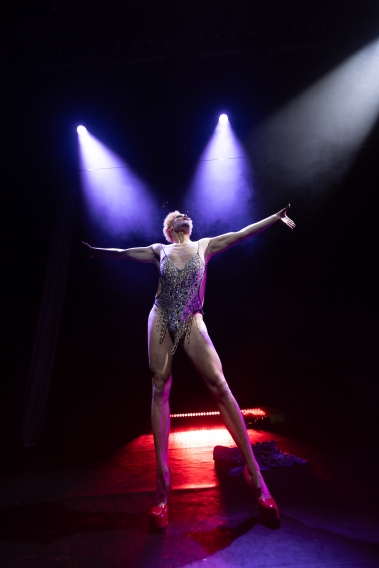
What does community mean in queer spaces?
It's a place to find yourself and grow. Nowadays for sure. I own a queer space and I see young queer people arriving in London and finding their community and finding their confidence.
Queer people have always been drawn together. But again I think it's important to note that we didn't use the word queer as it is now. Bars were mainly gay and a few might be lesbian. Now that doesn't mean that all LGBTQ+ people will have been in these spaces but it will mean that different people will have different relationships towards these spaces which at the time would have been catering to specific demographics.
I don't think this historic context of what a 'gay' venue might have meant to say lesbians or trans people might have actually been like is discussed enough. In my show I am talking about 'gay' clubs and then how a 'straight' pub was actually where I found most of my confidence. so even now the conversation that 'queer' spaces offer the same thing to everyone is nuanced.
How does the Generation X experience of being gay differ from other generations’? What is the same?
Well if you are speaking specifically about being gay in the 90's, well for gay men anyway it was almost like a golden era. The spectre of HIV was present but wasn't killing as many people. People were surviving. The music and club scene was on fire in London and other cities the scene was awash with ecstasy which was a fun social drug. The laws were changing. The landscape for gay men anyway was moving forwards in terms of liberation. The pink pound was celebrated.
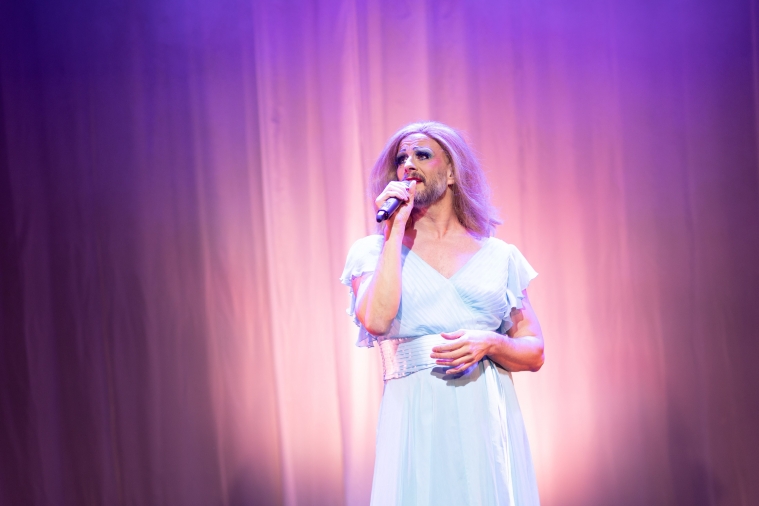
But also I found gay culture sort of became homogenised and visibly commercial. I felt very insecure about my body and the prevalent image was the gym toned body, but also the airbrushed lifestyle that magazies would project.
Overall, those days were great times for gay men. Again it's the voices of other LGBTQ+ people that would give the full picture.
What's different? Well I'm older. You need to ask someone in the prime of their young queer life really about today. I'm concentrating on keeping well, fit, creative and connected to my friendship group.
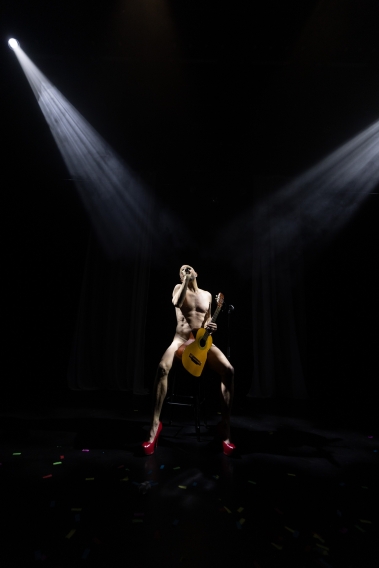
What has the response to Suburbia been like?
Bristol - it's been great. The audiences are really responsive. I get great responses and messages from gay men my age who say - I lived that story.
I hear from young queer people who never heard the 1980's AIDS public warning on TV and don't know what living with the real fear of AIDS was like.
People love to reminisce about taking pills in the 90's it's fun. I think when I take them to NYC it gets very out there. It was an experimental time for me there, I think that comes across.
In the show you mention learning lessons. What do you want others to learn from your story?
To accept and embrace their history. To investigate and think about their past. to forgive themselves their mistakes and to celebrate the journey that has made them who they are today.
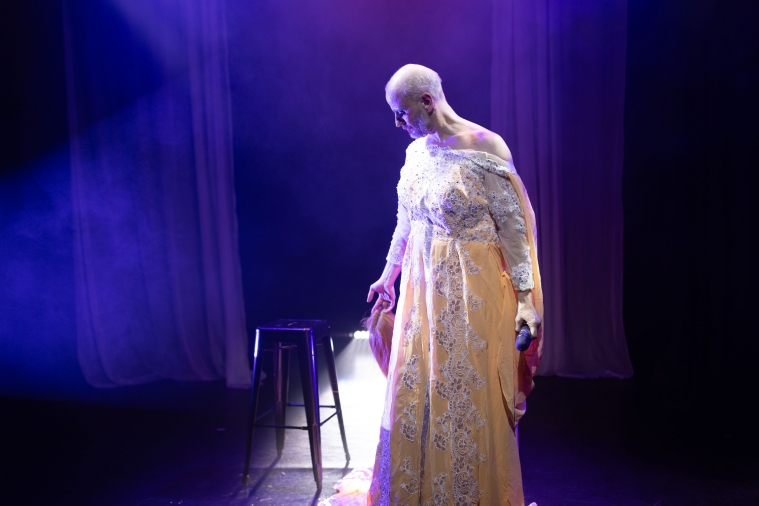
It's such a privilege to bring my show to Bristol Old Vic Studio, especially during Pride season. We all need to share our stories, and celebrate our differences as well as our similarities which draw us together. Happy Pride.